VT THINK-A-BIT LAB
The Risks of AI in the Workplace:
What causes the most concern with AI?
Divine Doamekpor, Thinkabit Lab Research Intern

Introduction
Artificial Intelligence (AI) has become a vital part of modern society, offering numerous benefits in multiple fields (e.g., efficiencies, information aggregation, supporting research). However, the rapid advancement and widespread adoption of AI technologies also raise significant concerns regarding their potential risks. This report explores such concerns commonly discussed in the media, including the overreliance on AI, inherent biases in AI systems, and the impact on employment leading to job layoffs.
Over-Reliance on AI:
One of the primary concerns associated with AI is the growing dependence on these systems across diverse fields such as healthcare, finance, education, and criminal justice, where AI is increasingly relied upon to make critical decisions. This reliance is emphasized by examples like the fictional example court case, State v. Alex Turner, where I asked an AI to create a court case and a way to prove innocence, and Michael Cohen's submission of AI-generated fake legal cases to a court. These examples reveal a concerning trend: the readiness to accept AI-generated content without question, underscoring the risk of diminishing human diligence and oversight. As AI tools become more sophisticated and capable of creating convincingly possible accounts of incidents or disputes, society faces ethical and legal challenges. This reliance raises concerns about the diminishing level of human effort and the potential for AI to replace critical thinking and accountability but also reveals our vulnerability in forgoing human verification and ethical responsibility in decision-making processes.
Bias in AI Systems:
AI systems are not immune to biases; they can inadvertently perpetuate and amplify existing societal biases. The data used to train these models often reflect unintentional and/or hidden historical disparities, resulting in biased predictions and decisions. This bias can appear in various forms, such as gender, racial, or socioeconomic bias. For example, an AI system used for hiring might prioritize male candidates over female ones due to the historical data AI was trained on, which may have included more men in specific job roles. According to the Synergia Foundation, “In 2015, Amazon realized that their algorithm used for hiring employees was found to be biased against women.”
Similarly, AI used in criminal sentencing could impose harsher sentences on minority groups if the training data mirrors past judicial biases. The COMPAS (Correctional Offender Management Profiling for Alternative Sanctions) algorithm, which judges use to determine whether to hold prisoners in custody or release them on pending trial, was found to be biased against African Americans, according to a ProPublica analysis.
The consequences of biased AI can profoundly affect individuals' lives in hiring processes, criminal sentencing, and access to essential services, underscoring the importance of addressing and mitigating bias in AI algorithms to ensure fair and equitable outcomes.
Impact on Employment and Job Layoffs:
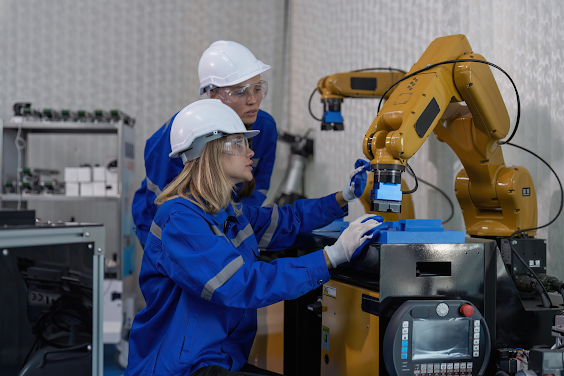
Integrating AI technologies in the workforce has undoubtedly increased efficiency and productivity. However, this integration comes with significant implications for human employment. Automation and AI-driven systems can potentially replace specific job roles, leading to job layoffs and economic disruption. Industries such as manufacturing, customer service, and transportation are already witnessing the transformative impact of AI, which raises concerns about the displacement of human workers. In this context, the need for reskilling and upskilling programs becomes paramount to mitigate the negative consequences on the labor market. Echoing the sentiment expressed by Richard Baldwin during a panel at the 2023 World Economic Forum's Growth Summit, "AI won't take your job," it is indeed "somebody using AI that will take your job." This highlights the importance of adapting to the evolving job landscape by prioritizing specific AI-related skills in reskilling and upskilling programs.
Conclusion:
Recognizing and addressing the associated risks of AI, especially in the workplace, is crucial to ensure a future where technology serves humanity responsibly and offers transformative advancements. The rapid integration of AI in various industries poses significant challenges, including job displacement, privacy concerns, increased bias, automated bias, and the amplification of biases. By focusing on these risks, we can strive for a balance between innovation and ethical considerations, aiming to harness AI's benefits while protecting workers from potential harm. This requires the implementation of robust ethical guidelines, the development of AI technologies that complement human skills rather than replace them, and the creation of policies that support individuals affected by automation. Fostering a workplace culture that values human oversight and ethical AI use can mitigate risks and ensure that AI is a tool for enhancing, rather than undermining, the workforce's integrity and well-being. Through these measures, we can navigate the challenges posed by AI in the workplace, ensuring that technological progress benefits all members of society.
Please share comments below.